
A buyer’s perspective on communication, expertise, production transparency, quality control, shipping and after-sales support
Introduction: Choosing a Supplier Is About More Than Price
When buyers look for a custom furniture supplier, price is naturally one of the first things they consider. But for a customized furniture project, price is only one part of the decision. The real experience begins after the first inquiry: How quickly does the supplier respond? Can they understand what you actually want? Can they provide professional advice? Will they keep you updated during production? How carefully will they inspect and package the furniture? What happens if something goes wrong during installation?
From a buyer’s perspective, choosing a custom furniture supplier is really about choosing a partner you can trust. Custom furniture often involves many decisions, a long production period and international transportation. The right supplier can make the process feel organized and reassuring. The wrong supplier can turn a beautiful furniture project into a stressful experience.
Here are seven things I believe every buyer should consider when choosing a custom furniture supplier.
1. Fast and Clear Communication Is the Basic Requirement
The first thing I look for as a buyer is simple: Does the supplier respond quickly and clearly?
In today’s world, everyone’s time is valuable. When I have a question about a product, material, size, price or production detail, I do not necessarily expect an answer within five minutes, but I do want to know that my message has been received and that someone is taking responsibility for it.
Fast communication also tells me something about how seriously a supplier treats my project. If communication is already difficult before an order is placed, it is reasonable to wonder what the experience will be like after payment and during production.
A good supplier should be willing to explain details patiently, organize information clearly and follow up on questions instead of leaving the buyer to chase for answers.

2. Professional Expertise Matters Because Buyers Are Not Furniture Experts
Most customers who purchase custom furniture are not furniture manufacturers. They may know exactly what kind of atmosphere they want, but they may not know which materials, colors, proportions or construction methods will achieve it.
This is where a professional supplier becomes valuable.
For example, imagine that I want a bedside table and dressing table in a light oak finish. I may already have an idea of which natural marble I would like to use, but I still want the supplier to give me a professional opinion. Does the marble color work with the oak? Would a warmer or cooler tone look better? Should the hardware be dark, brass or another finish?
I may already have an answer in my mind, but I still need someone with furniture experience to either confirm my idea or explain a better combination.
A good custom furniture supplier should not simply say, “Yes, we can make it.” They should be able to say, “Yes, this combination will work, and here is why,” or “We recommend another option because the colors and materials will balance better.”
That kind of professional communication adds real value to a custom furniture project.
3. A Trusted Supplier Can Sometimes Help With More Than Furniture
Once trust has been established, a buyer may naturally start asking for help with products beyond the original furniture order.
Perhaps I need electric curtains, mirrors, shelving, decorative paintings or other items for the same home. When I already trust my furniture supplier, it becomes much easier to ask whether they can help source these products as well.
Such requests are not something I would make to every supplier. They depend on the level of trust that has developed between both sides.
That trust grows gradually through communication. Honest answers, responsible follow-up and a genuine understanding of each other’s concerns can make the relationship more comfortable over time.
For a large residential project, having one reliable partner coordinate different categories can also make the purchasing process more convenient.
4. Production Takes Time — Regular Updates Give Buyers Confidence
After an order is confirmed, the buyer often enters the longest and most uncertain stage: production.
Custom furniture takes time to produce. Workers need to prepare the materials, build the frames, complete the upholstery and finish the surfaces before each piece goes through final production checks.
From the buyer’s perspective, however, waiting without information can be stressful.
This is why regular production updates are so important. A supplier who sends photographs or short videos every week or every two weeks gives the buyer a sense of what is happening. I can see that my furniture is actually being produced. I can see materials, frames, upholstery, finishing details and progress.
These updates do not need to be complicated. A few clear photographs and a short explanation can make a huge difference.
For a custom project, transparency during production is one of the simplest ways to build confidence.
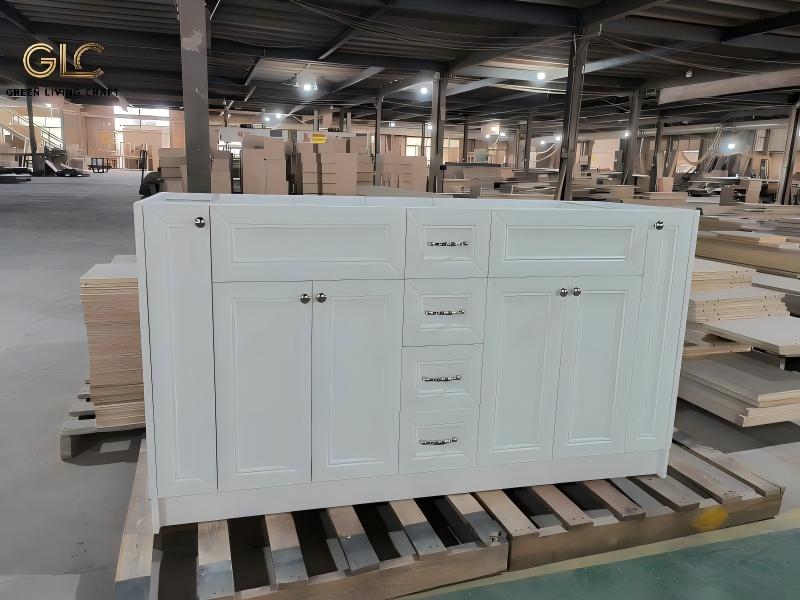
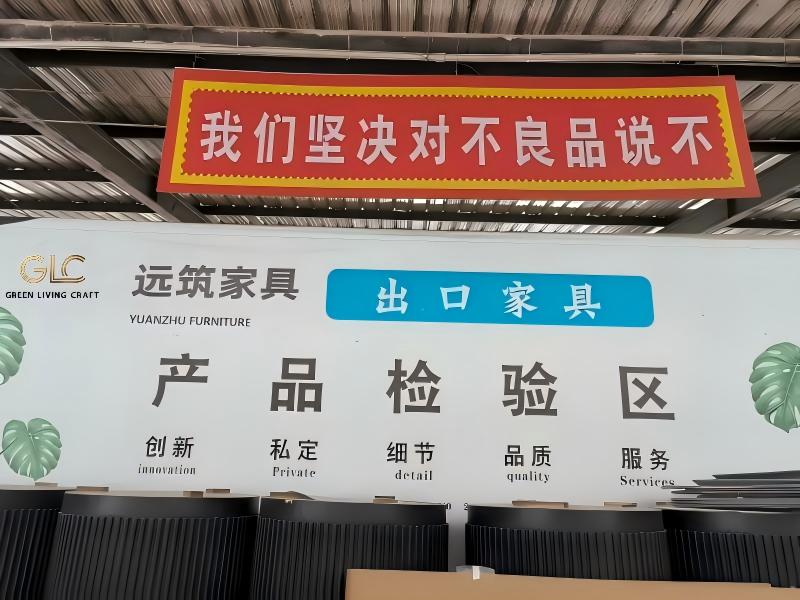
5. Quality Inspection and Strong Packaging Are Essential
When the factory finishes production, the buyer’s concerns do not end. In many ways, another important stage begins: quality inspection and packaging.
Before the furniture leaves the factory, I want to know that the supplier has carefully inspected every piece. Photographs or videos of completed products and the inspection process are very reassuring, especially when I am purchasing from another country.
I also care deeply about packaging.
Beautiful furniture is not useful if it arrives damaged. International furniture transportation can involve loading, unloading, warehousing and long-distance shipping. I therefore consider good packaging an essential part of product quality, not an afterthought.
For me as a buyer, photographs or videos showing the inspection and packaging process provide an additional layer of confidence. I want to know that the supplier has done everything reasonably possible to protect the furniture before it begins its journey.
6. Shipping Is a Long Journey — Keep the Buyer Informed
For international furniture orders, transportation can take a long time. After the container leaves the factory, the buyer is still waiting for the furniture to arrive at its final destination.
During this period, regular shipping updates are extremely helpful.
The supplier does not necessarily need to send a message every day. But when there is an important update — such as shipment departure, arrival at a port, customs progress, delivery scheduling or another major transportation milestone — keeping the buyer informed can make the entire process much easier.
As a buyer, I would rather receive a short message saying, “Here is the latest status,” than have to repeatedly ask, “Where is my furniture now?”
Good communication should continue until the order reaches its destination.
7. After-Sales Support Should Continue After Delivery
Finally, the relationship should not end when the furniture arrives.
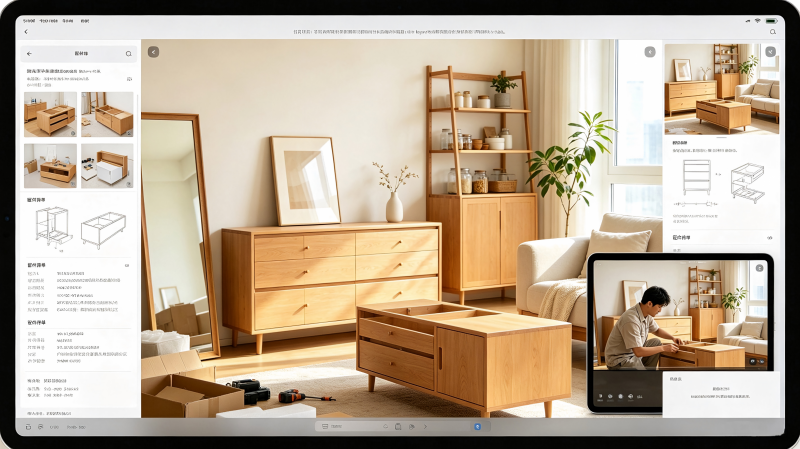
Depending on the product, the buyer may have questions about installation, assembly, adjustment or use. Even when the supplier manufactures and packages the furniture carefully, the buyer may still need some assistance after delivery.
This is where patience matters.
If the supplier can provide clear installation instructions, photographs, videos or patient guidance when questions arise, the buyer will feel supported rather than abandoned after payment.
Good after-sales service does not necessarily mean that every problem can be solved instantly. It means that when a problem appears, the supplier is willing to listen, communicate and help find a reasonable solution.
The Best Supplier Understands Your Concerns Before You Explain Them
Looking at these seven points together, I think the most important thing is not any single service. It is the understanding between buyer and supplier.
A good relationship develops when both sides understand each other.
The buyer may be worried about quality, dimensions, colors, materials, delivery time, packaging and whether the furniture will arrive safely. A good supplier gradually learns these concerns and tries to solve them before they become problems.
At the same time, the buyer also needs to understand that custom furniture requires time. Good furniture cannot always be rushed. Materials need to be prepared, skilled workers need time to produce the pieces, quality needs to be checked and international transportation takes time.
When the supplier understands the buyer’s concerns and the buyer understands the realities of production, a kind of mutual understanding begins to develop.
That, in my opinion, is the foundation of a successful custom furniture project.
From Buyer and Supplier to Long-Term Partners
That is the kind of custom furniture supplier I would choose — not simply a supplier for one order, but potentially a reliable partner for future projects.
Perhaps the best custom furniture supplier is not simply the one offering the lowest price. Instead, I would choose a supplier who communicates quickly, provides professional advice, keeps me informed, takes responsibility for quality, protects my furniture during shipping and continues to help after delivery.
Over time, a business relationship can become something more meaningful.
The journey usually begins with a simple furniture inquiry. We discuss materials, colors, dimensions and prices. After confirming the order, we exchange production updates and solve small problems together. Eventually, the furniture arrives, and we may still communicate about installation or other details.
Through these small interactions, trust gradually grows.
Eventually, the buyer and supplier may develop a kind of understanding that does not require many words. The supplier understands what the buyer worries about, while the buyer understands that quality furniture takes time to produce. Both sides become willing to communicate, cooperate and remain patient.
Maybe One Day, We Will Meet in China
There is also something wonderful about international business that goes beyond furniture.
Today, we may communicate through email, messages, photographs and videos. We may be thousands of kilometers apart, discussing the size of a sofa or the color of a piece of marble.
But perhaps one day, when the buyer visits China, we can finally meet in person.
Maybe we will sit down together for dinner, talk about our families, our lives, our work and the things we hope to achieve in the future. We might laugh about the difficulties we had during our first project and remember how the relationship gradually became stronger.
Thinking about that possibility is actually quite happy.
Because in the end, good business is not only about products, prices or orders. It is also about people, trust, understanding and the relationships we build along the way.
Final Thoughts: What Should You Look for in a Custom Furniture Supplier?
From a buyer’s perspective, I would look for a supplier who can provide:
- Fast and responsible communication
- Professional advice on materials, colors, dimensions and design
- Flexible sourcing support when additional home products are needed
- Regular production photographs and videos
- Transparent quality inspection and careful export packaging
- Clear shipping and delivery updates
- Patient installation and after-sales support
Most importantly, I would look for someone I can trust.
Custom furniture is a long process, and the best results come when both sides communicate openly and understand each other. When a supplier takes care of the buyer’s concerns and the buyer respects the time and work required to produce quality furniture, cooperation becomes smoother, more enjoyable and more successful.
That is the kind of relationship we hope to build with every customer — from the first message to the final delivery, and perhaps even beyond the furniture project itself.
Finally, let’s take a look at our customer reviews.

- Learn more about our custom upholstehttps://www.furglc.com/product/curved-leather-hotel-sofa/
- View our whole house custom furniture solutions
- Official CIFF Shanghai website: https://www.ciff.furniture
